 Dongfang Honghua
The global LNG carrier orderbook has reached historic levels, with over 400 vessels now under construction—almost 50% of the existing fleet. Driven by energy security concerns and a wave of new liquefaction projects, this surge is reshaping the shipbuilding sector. South Korean shipyards face capacity constraints, pushing delivery for new 174,000 cbm carriers as far out as 2029, and raising newbuild prices by up to 20% compared to previous lows. Meanwhile, Chinese yards, led by Hudong-Zhonghua, are rapidly expanding their market share and offering faster delivery times. In parallel, the industry is witnessing a push for decarbonization, with larger vessel designs, hybrid-electric systems, and wind-assisted propulsion—such as MOL's upcoming 'Wind Challenger'—promising significant efficiency and emission reductions. These converging trends are set to impact the future competitiveness and sustainability of global LNG transport.
LNG Carrier Orderbook Surges Amid Shipbuilding Shift and Design Innovation
Ella Trusteddocks
Topics
Connected to This Story
Free weekly digest
This week's ship orders & deliveries — every Friday
New contracts, launches and shipyard news in one email. No account needed, unsubscribe anytime.
More Shipbuilding News
View all →Newbuilding Contracts — Week 39/2026
142 newbuilding orders across 9 segments were recorded in the New-Ships orderbook in week 39/2026 (21 September–27…
Sep 28, 2026
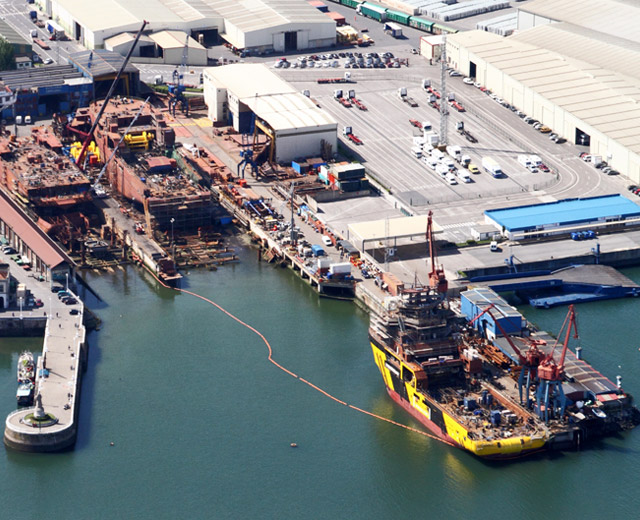
Brønnbåt Nord Orders Battery-Hybrid Wellboat from Zamakona
Norwegian aquaculture vessel operator Brønnbåt Nord has ordered an 86.8-metre battery-hybrid wellboat from Spain's…
Sep 28, 2026
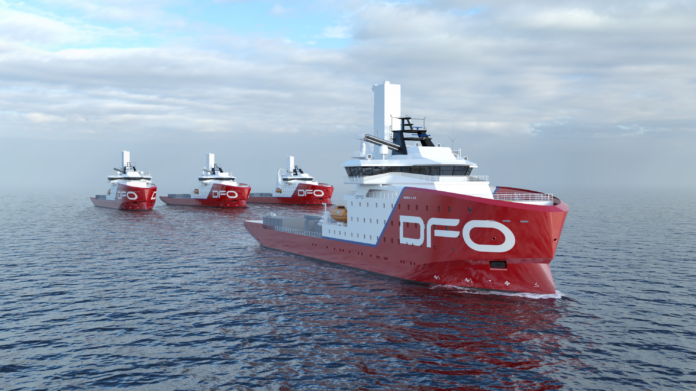
VARD Secures Fifth CSOV Order From Dong Fang Offshore
VARD has won a contract from Dong Fang Offshore (DFO) for the design and construction of a new Commissioning Service…
Sep 28, 2026
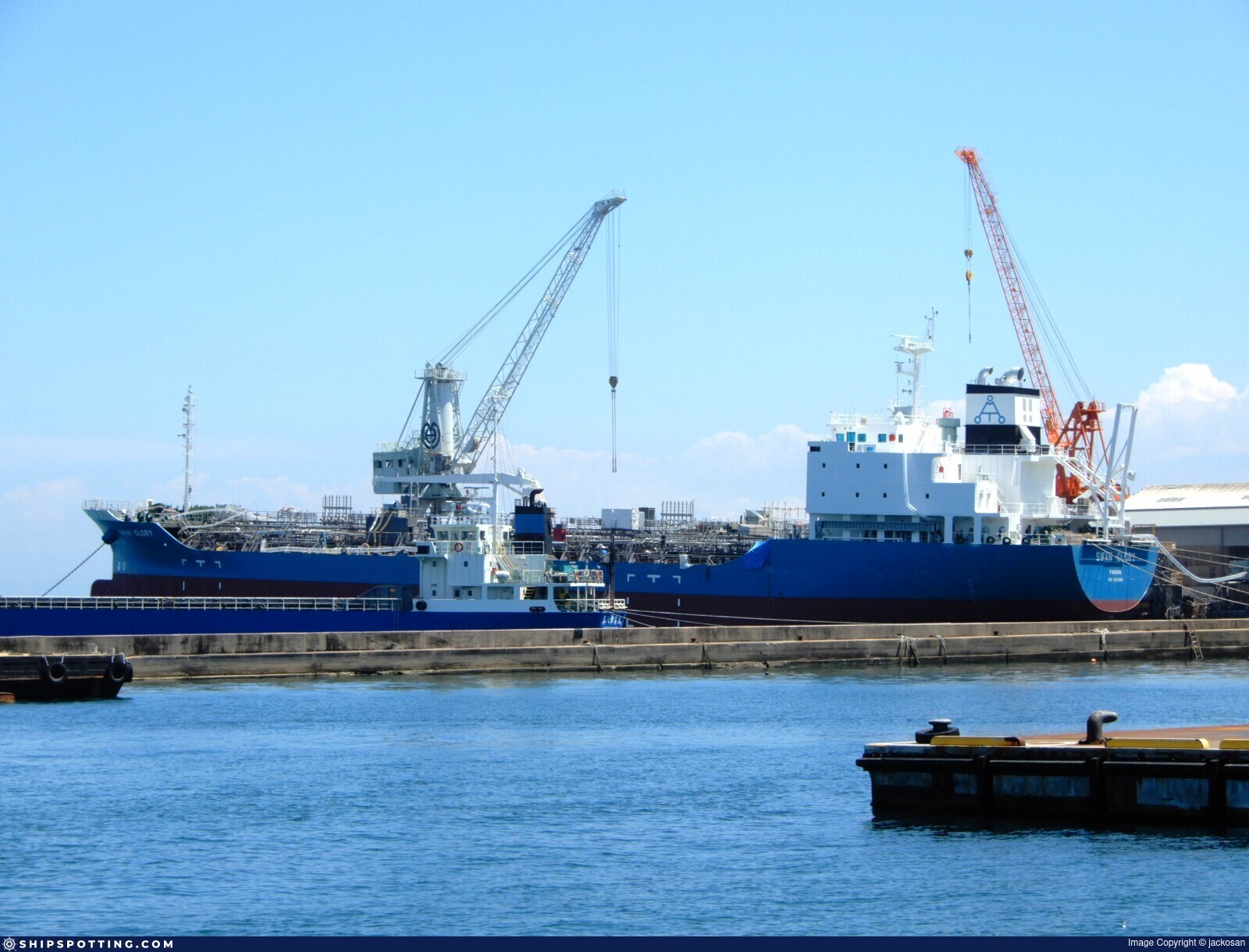
Uni-Tankers Orders Eight Newbuild Tankers for Time Charter
Danish chemical tanker operator Uni-Tankers has entered into an agreement for eight newbuild 7,600-dwt tankers to be…
Sep 28, 2026