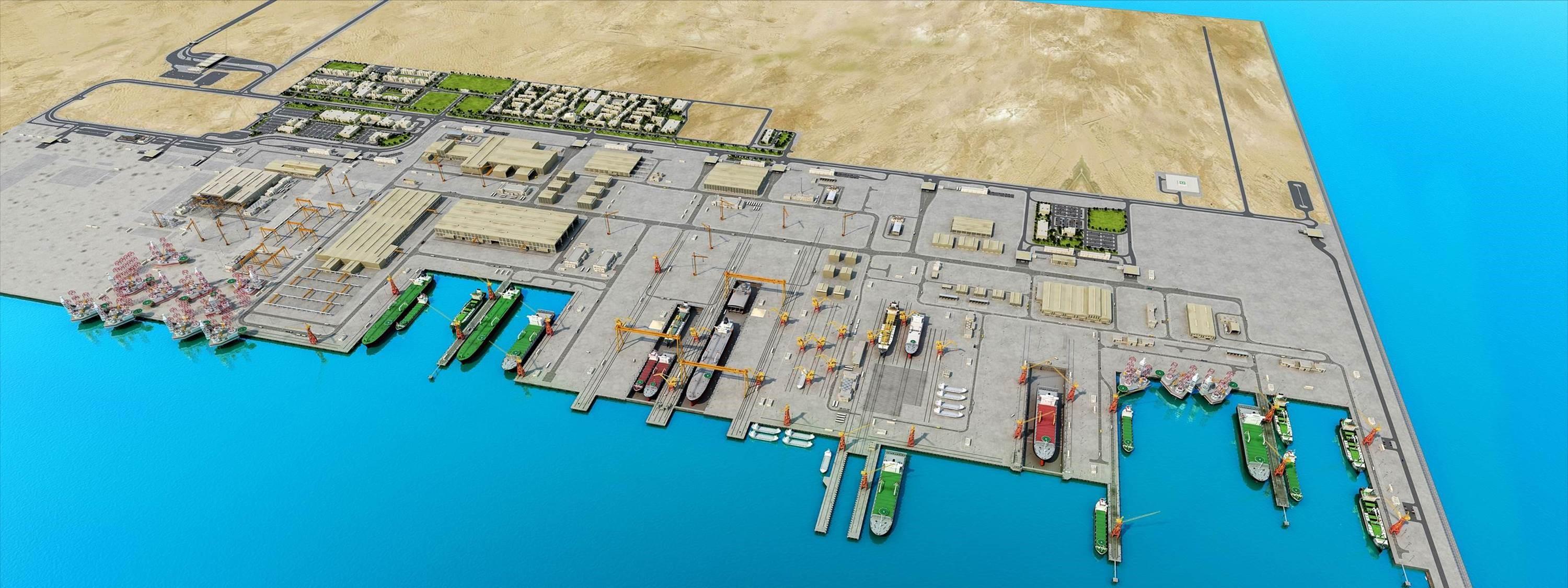
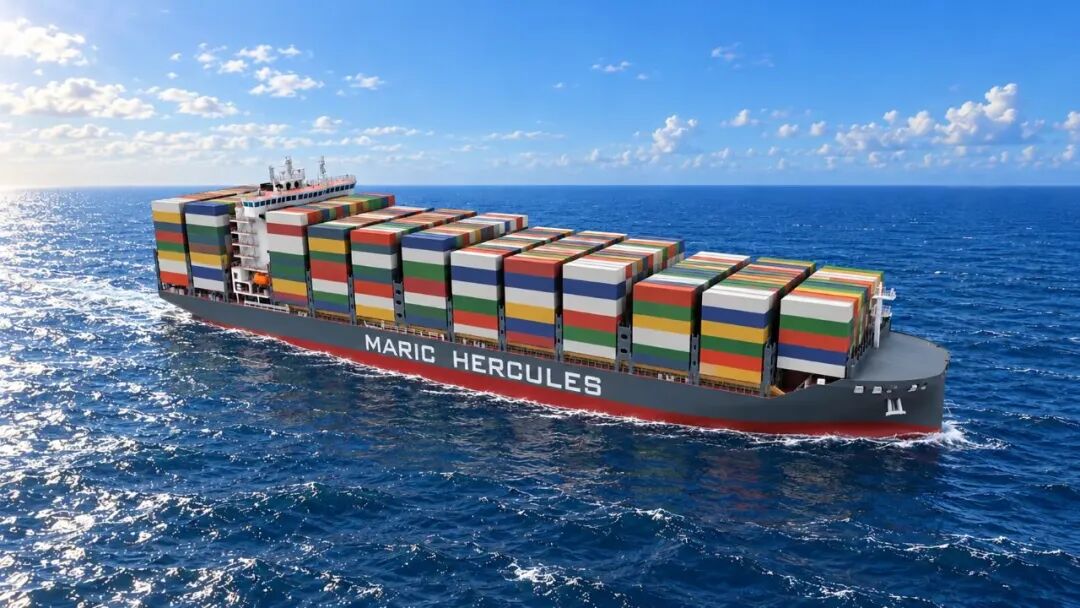
Shanghai Waigaoqiao Shipbuilding Co., Ltd - CSSC
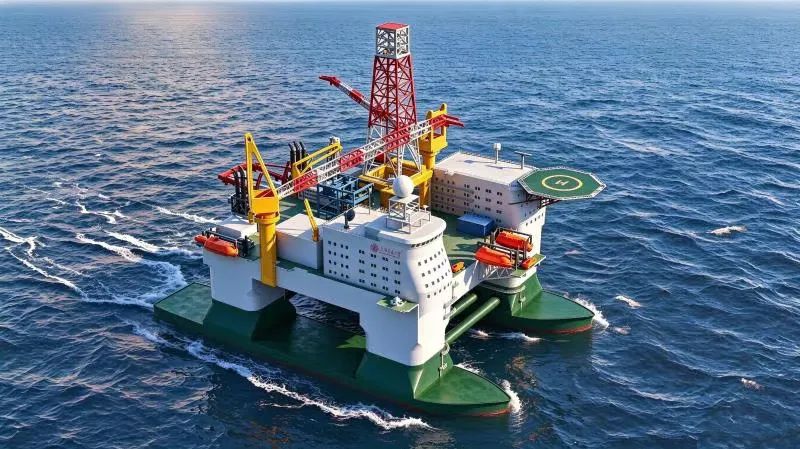
China has signed a construction contract worth $413 million for a floating deep-sea research vessel designed to support long-term ocean research and operations in challenging marine conditions. The vessel will be built by Shanghai Waigaoqiao Shipbuilding and operated by Shanghai Jiao Tong University, with construction scheduled to begin in 2028 and delivery expected in June 2030. Designed as a self-propelled catamaran with a semi-submersible twin-hull platform, the vessel aims to provide stability and improved performance in rough seas while allowing researchers to reposition at sea for long-term studies across different marine environments. It will measure 138 metres in length and 85 metres in width, with a displacement of approximately 74,000 tonnes and a maximum speed of 11 knots. The platform is designed to operate in sea conditions reaching Sea State 7, with waves of approximately 6 to 9 metres, and to withstand extreme typhoon conditions. The facility will accommodate up to 238 crew members and researchers, featuring six laboratories dedicated to marine heavy equipment, systems technology, and related scientific investigations. Its research programme will also cover marine disaster meteorology and long-term monitoring of ocean ecosystems, aiming to strengthen scientific understanding of changing marine conditions and environmental risks. Shanghai Waigaoqiao Shipbuilding secured the contract following a competitive bidding process, drawing on its experience constructing complex offshore and marine engineering platforms. The project represents a significant investment in China's ocean research capabilities, combining a mobile research platform with facilities for extended operations at sea, and underscores the growing role of advanced shipbuilding in expanding access to deep-sea research.