 Pacific international lines
The shipping industry is witnessing a significant realignment in alternative marine fuel preferences. After a period of hype around green methanol and ammonia, 2024 and 2025 have seen major carriers gravitate toward LNG as the preferred bridge fuel to net-zero operations. This week, Maersk—long considered a pioneer in e-methanol adoption—confirmed an order for eight 18,600 TEU dual-fuel vessels, notably omitting 'methanol-readiness' from its announcement. Meanwhile, Pacific International Lines (PIL) marked the first call of an LNG-powered vessel in Saudi Arabia, part of a broader strategy involving 18 new LNG dual-fuel ships. Market data shows LNG-capable container vessels rising from 195 in February 2024 to 347 by July 2025, now accounting for over 40% of all container orders, while methanol-capable ships have seen much slower growth. The shift is driven by established LNG infrastructure, immediate regulatory compliance, and lingering uncertainty around truly green fuels. As regulation and technology evolve, the industry watches closely to see if LNG is a mere interim solution or the definitive choice for decarbonization.
LNG Overtakes Methanol in Newbuild Orders as Major Carriers Shift Strategies
Ella Trusteddocks
Topics
Connected to This Story
Free weekly digest
This week's ship orders & deliveries — every Friday
New contracts, launches and shipyard news in one email. No account needed, unsubscribe anytime.
More Shipbuilding News
View all →Newbuilding Contracts — Week 39/2026
142 newbuilding orders across 9 segments were recorded in the New-Ships orderbook in week 39/2026 (21 September–27…
Sep 28, 2026
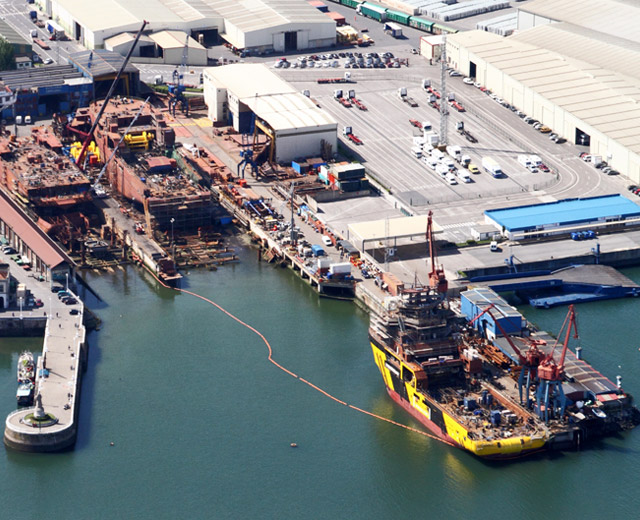
Brønnbåt Nord Orders Battery-Hybrid Wellboat from Zamakona
Norwegian aquaculture vessel operator Brønnbåt Nord has ordered an 86.8-metre battery-hybrid wellboat from Spain's…
Sep 28, 2026
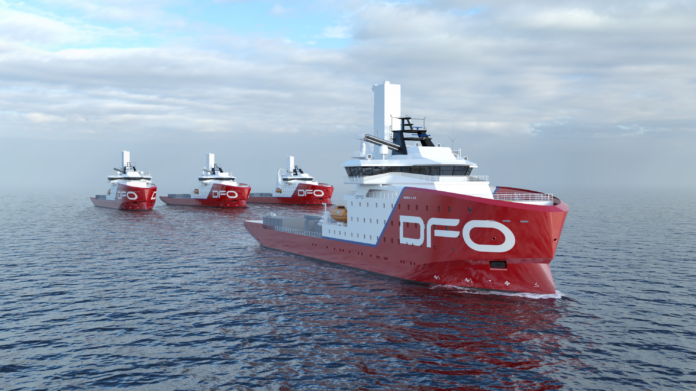
VARD Secures Fifth CSOV Order From Dong Fang Offshore
VARD has won a contract from Dong Fang Offshore (DFO) for the design and construction of a new Commissioning Service…
Sep 28, 2026
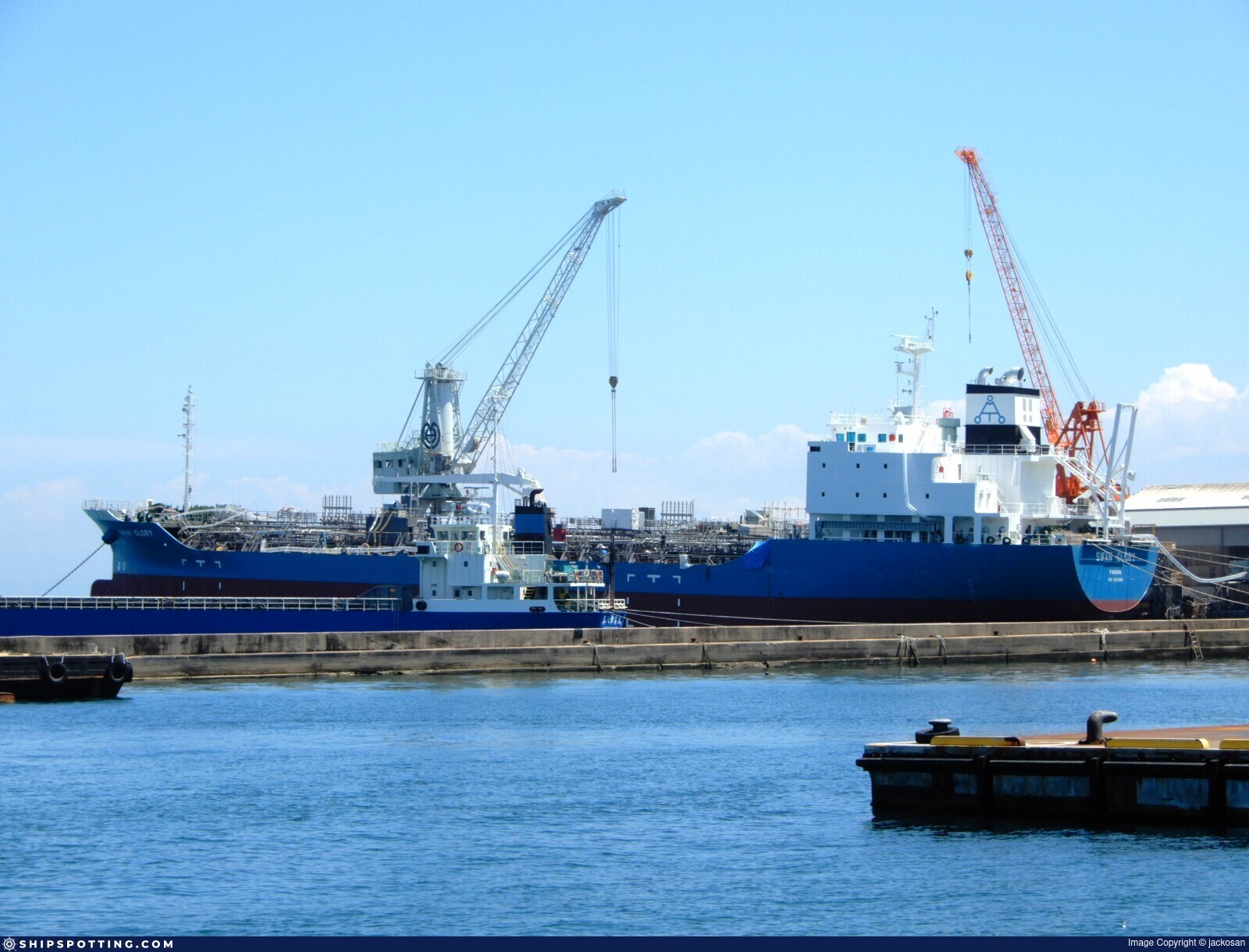
Uni-Tankers Orders Eight Newbuild Tankers for Time Charter
Danish chemical tanker operator Uni-Tankers has entered into an agreement for eight newbuild 7,600-dwt tankers to be…
Sep 28, 2026