**Investors Show Renewed Interest in FSG and Nobiskrug Shipyards**
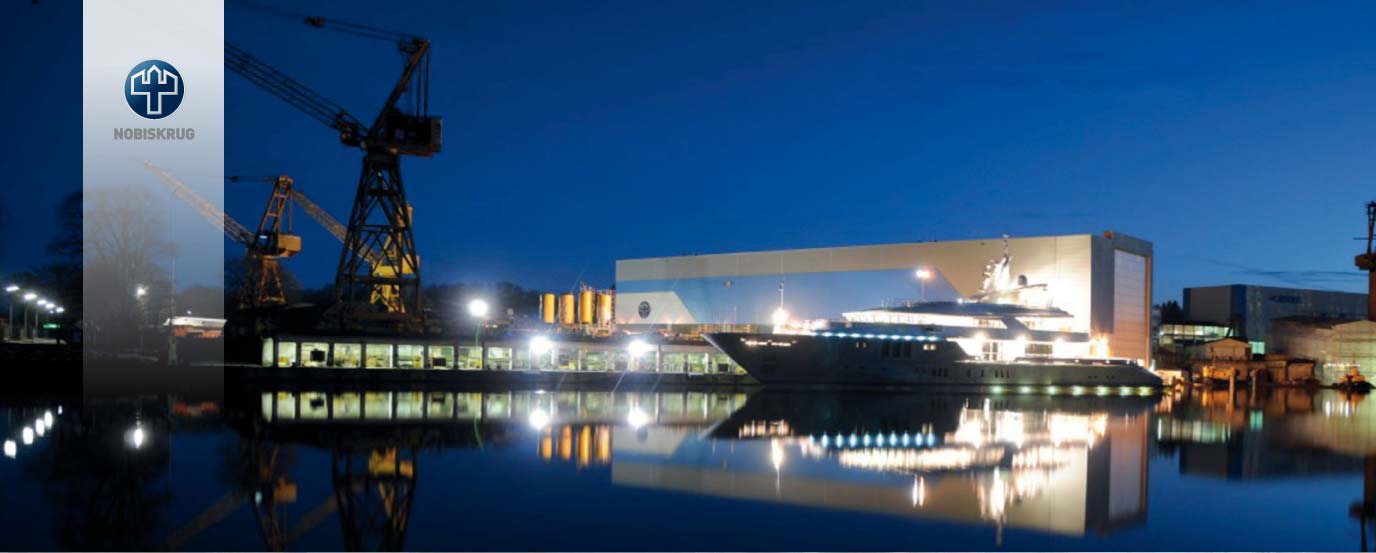
FSG and Nobiskrug shipyards have gained the attention of several potential investors ready to oversee the recovery of the insolvent companies. According to Christoph Morgen and Hendrik Gittermann, the provisional insolvency administrators, these investors stem from industry circles in Germany, rather than financial sectors. The announcement was made following a staff meeting, attended by Schleswig-Holstein’s Minister President Daniel Günther and Economics Minister Claus Ruhe Madsen, organized by IG Metall Rendsburg.
Gittermann conveyed that negotiations with interested parties are significantly advanced for both Rendsburg and Flensburg facilities. However, he cautioned that immediate resumption of production by early February under new management is unlikely. Essential tasks such as maintenance and TÜV inspections need addressing first before normal operations can recommence.
Work on a 210-meter RoRo ferry at the Flensburg site is expected to possibly resume in February, creating short-term opportunities. Provisional administrator Morgen revealed ongoing discussions with Australian shipping firm SeaRoad, underscoring the firm’s keen interest in proceeding with their existing orders with FSG.
SeaRoad remains committed to manufacturing the ferry at FSG, as declared by their management team en route to Germany for further discussions. Meanwhile, Nobiskrug aims to construct a superyacht for a private owner, amid a dearth of orders at the present.
Official insolvency proceedings starting February 1 will simultaneously signal the end of insolvency benefits for roughly 500 employees, who will be transitioned to a transfer company receiving 80% of their previous net salaries over a four-month period. This step strives to avert unavoidable closures while ongoing discussions continue on interim financing in collaboration with the state government.
The shipyard group’s financial saga began with former owner Lars Windhorst acquiring a majority stake in FSG in 2019, following setbacks during a ferry construction. Since then, bouts of insolvency and further acquisitions have shaped their trajectory, culminating in current investor negotiations as a pivotal turning point for both entities.
Investors Eye Takeover of FSG and Nobiskrug Amid Insolvency
 NOBISKRUG GMBH
SHIPYARD
📍 Flensburg
📍 Rendsburg
Shipbuilding
Orders And Contracts
Cancellations
Ro Ro
NOBISKRUG GMBH
SHIPYARD
📍 Flensburg
📍 Rendsburg
Shipbuilding
Orders And Contracts
Cancellations
Ro Ro
Ella Trusteddocks
Topics
Connected to This Story
Free weekly digest
This week's ship orders & deliveries — every Friday
New contracts, launches and shipyard news in one email. No account needed, unsubscribe anytime.
More Shipbuilding News
View all →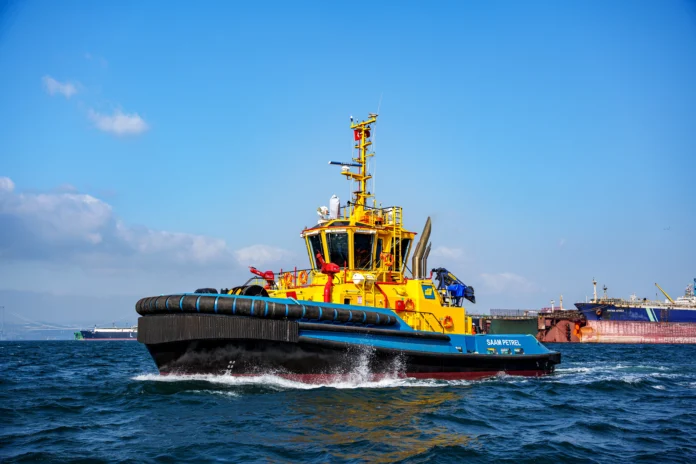
SAAM Towage Christens Petrel Tugboat in Arica
SAAM Towage has officially christened the SAAM Petrel tugboat in Arica, Chile, where it will support port operations.…
Oct 03, 2026
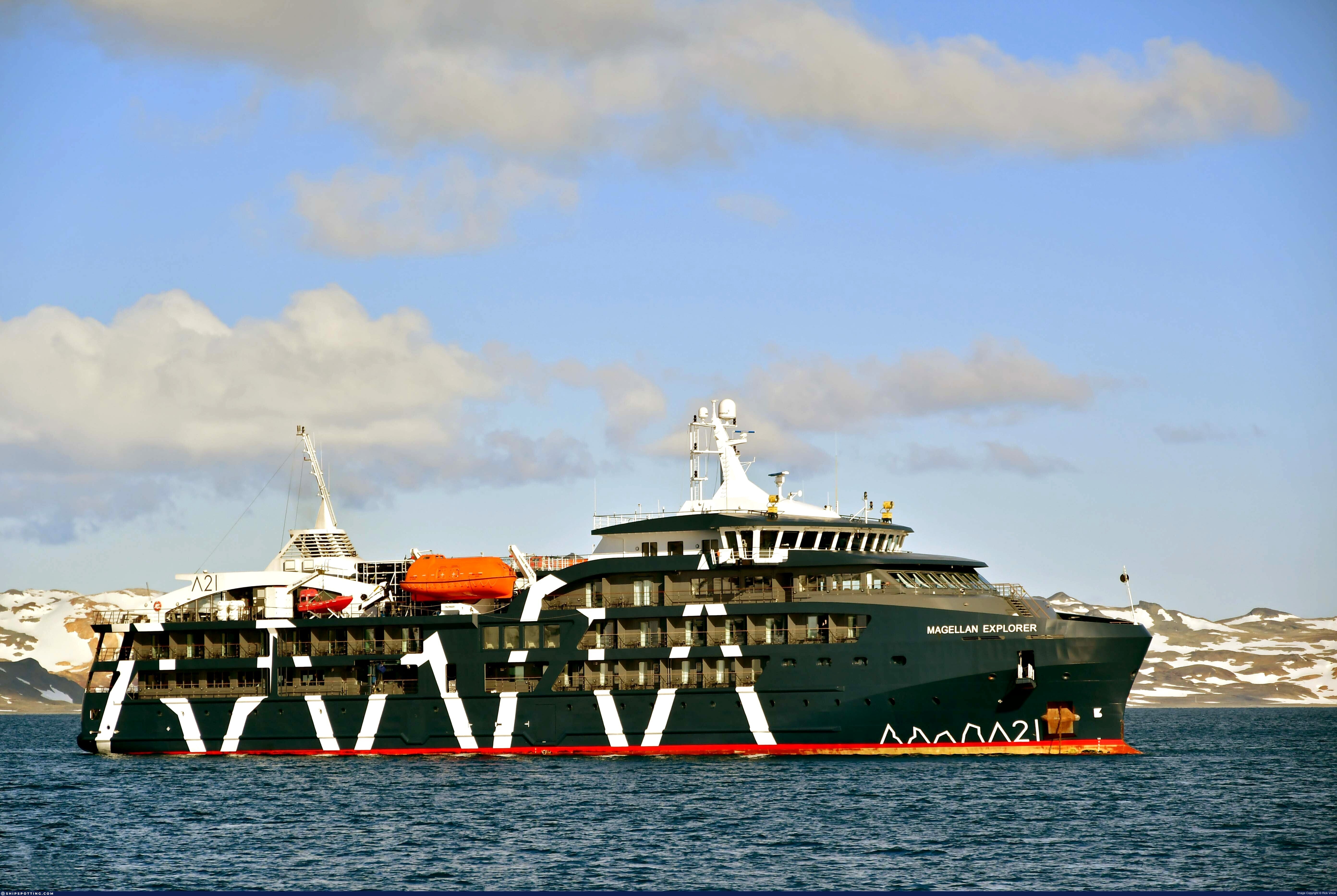
Antarctica21's New Hybrid Polar Ship Nears Completion
Chilean polar cruise operator Antarctica21 has announced that its newbuild vessel Magellan Discoverer is nearing…
Oct 02, 2026
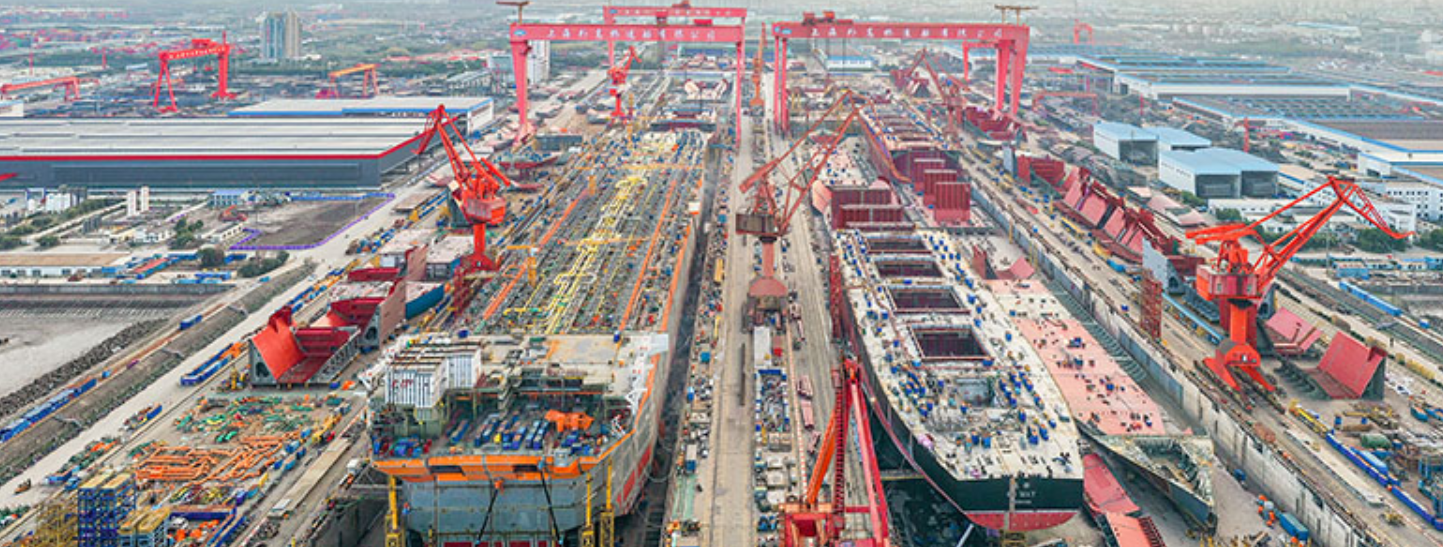
Contships Launches Newbuilding Drive for Up to 30 Feeders
Contships Logistics, a Greek feeder vessel operator led by Nikolas Pateras, has launched a shipbuilding programme in…
Oct 02, 2026
MSC World Atlantic Floats Out at French Shipyard
MSC World Atlantic floated out at the Chantiers de l'Atlantique shipyard in Saint-Nazaire, France, this past week,…
Oct 01, 2026