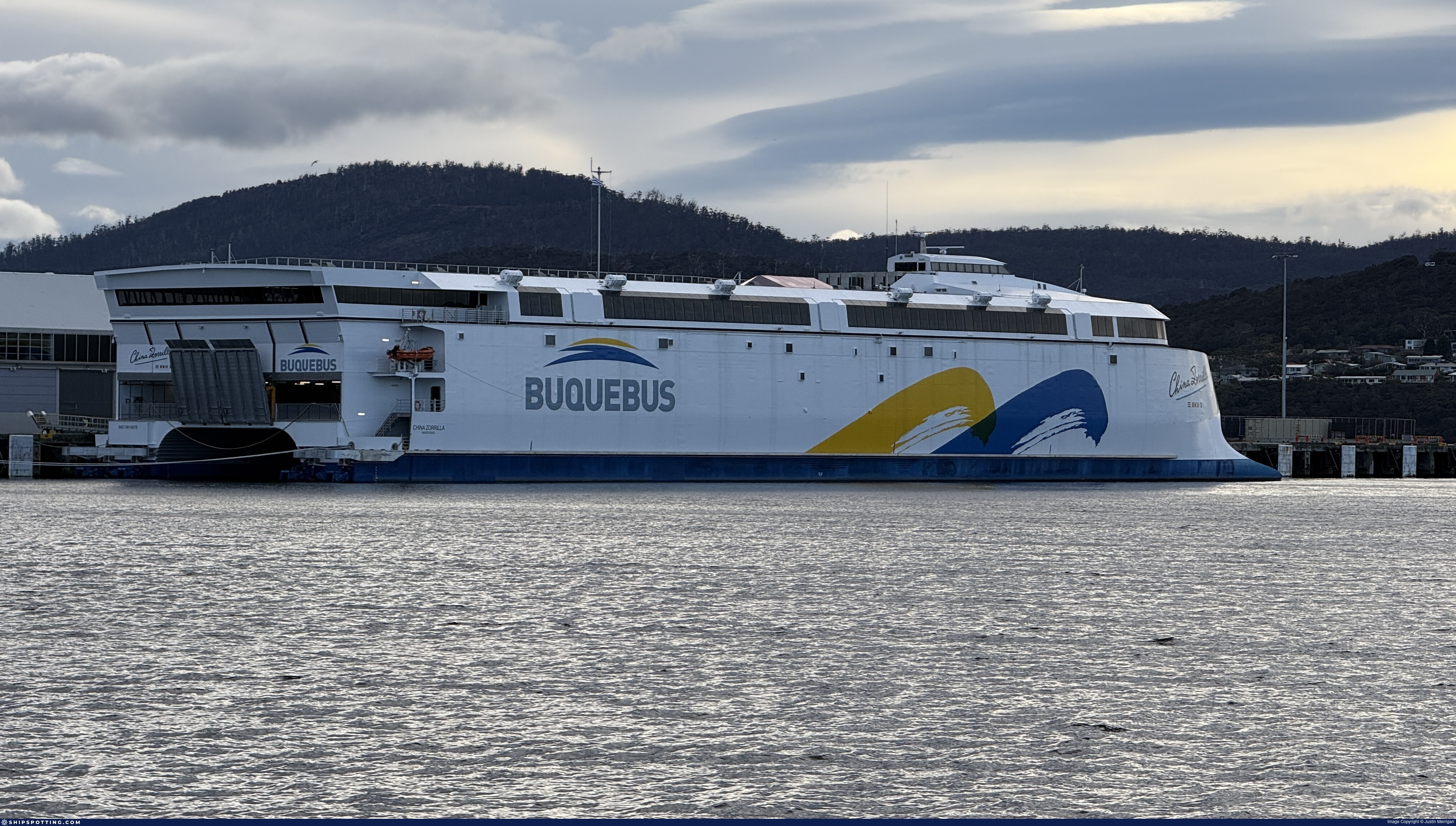
Hanwha Ocean Co., Ltd. (Okpo Shipyard)
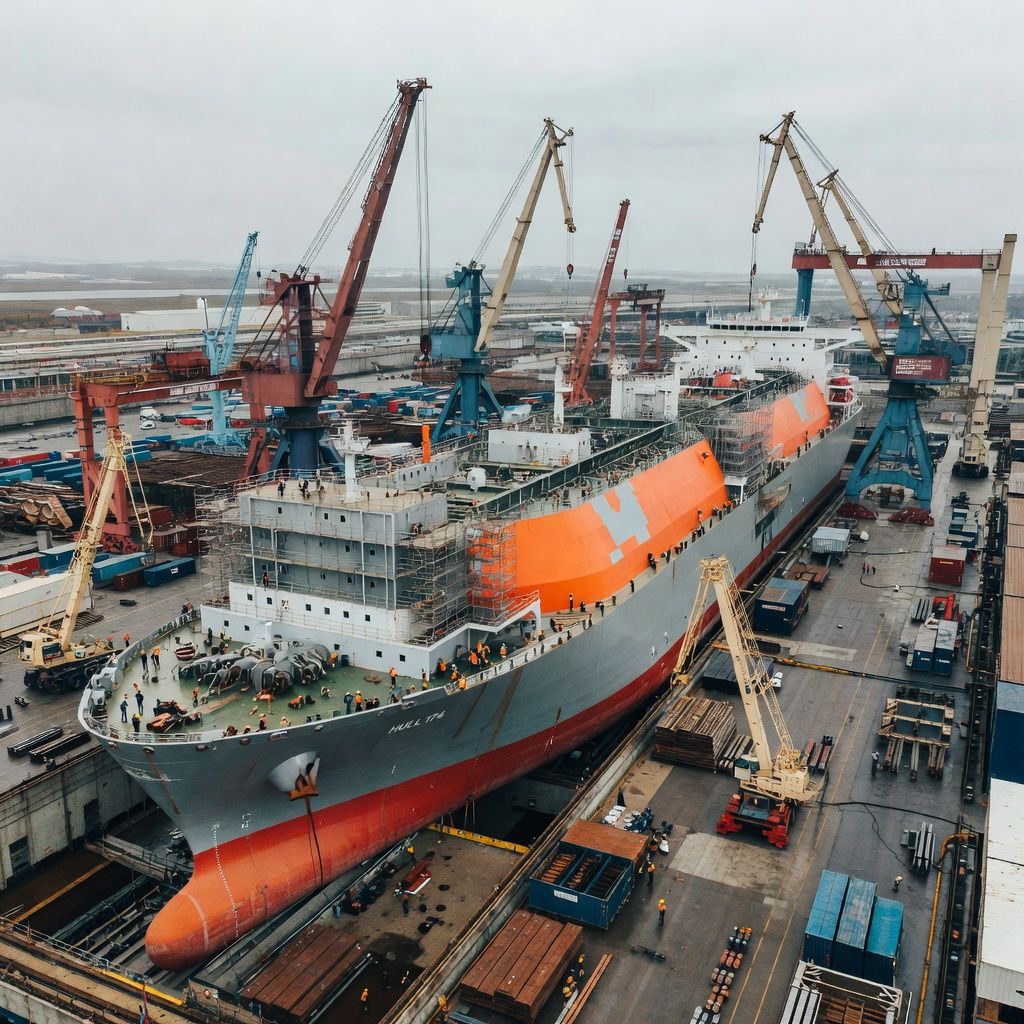
Chinese-built LNG carriers are priced about $15 million cheaper than Korean-built vessels, offering upfront savings for shipowners. However, US port fees on Chinese-built vessels, currently suspended, will resume on 10 Nov 2026, imposing charges of $18 per net ton or $120 per container per US port call. This will significantly increase operating costs for LNG carriers frequently calling US terminals. Additionally, from April 2028, US law mandates a minimum percentage of US LNG exports be transported on US-flagged and operated vessels, rising to 15% by 2047. This regulatory environment introduces long-term risks for Chinese-built LNG carriers engaged in US trades. Korean yards like Hanwha Ocean are responding by pursuing US LNG carrier construction under the MASGA program, becoming the preferred choice for Western LNG owners seeking to avoid regulatory exposure. Meanwhile, Chinese yards focus on non-US trades, aiming to close technology gaps while maintaining price advantages. Shipowners must weigh initial build cost against total ownership cost amid evolving geopolitical and regulatory factors.