NANTONG CIMC SINOPACIFIC OFFSHORE & ENGINEERING CO LTD
 Stamford Shipping (Singapore) Pte. Ltd.
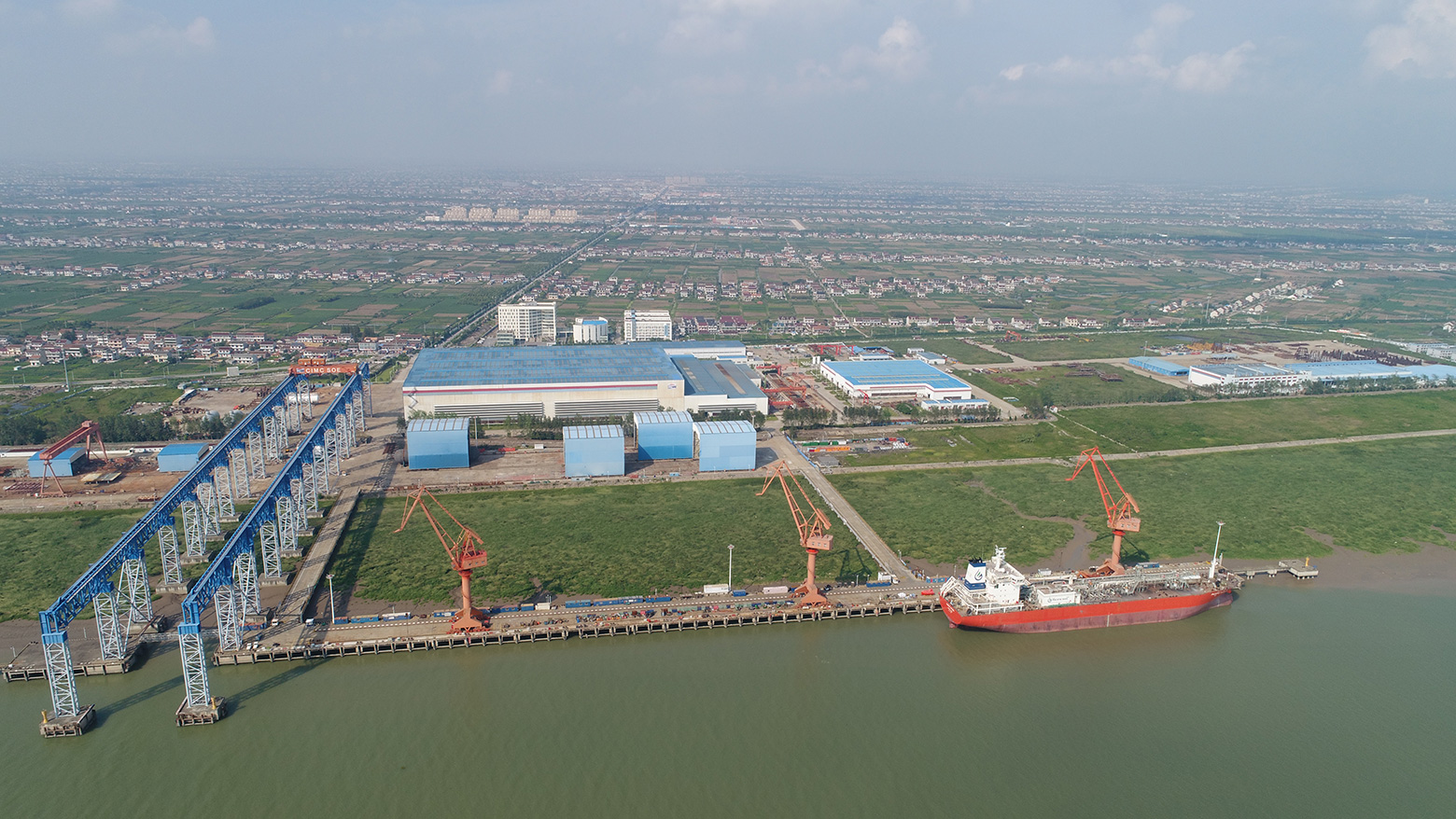
Chinese shipbuilder Nantong CIMC Sinopacific Offshore & Engineering Co (CIMC SOE) has signed contracts with Singapore-based Stamford Shipping for 10 MR product tankers of 49,900 DWT each, marking the yard's first newbuilding deal in this segment. The contracts were disclosed by CIMC SOE on 16 November 2026 and described by the shipbuilder as a significant breakthrough in the MR product tanker newbuilding market. Alongside the Stamford Shipping order, CIMC SOE has also secured a separate contract from an unnamed European shipowner for two additional vessels of the same specifications. The shipbuilder said the deals confirm its forward-looking positioning in the small and medium-sized product tanker segment and said it would continue focusing on gas carrier newbuildings while expanding its MR product tanker portfolio and green, energy-efficient vessel offerings. Clarksons data shows CIMC SOE's current orderbook is dominated by LNG bunker vessels, container ships and LPG carriers. For Stamford Shipping, the order represents its first newbuilding contract, according to shipping database records. The company, founded in Singapore by shipping and finance veterans as a maritime investment platform, currently operates a fleet of eight vessels comprising six Ultramax bulk carriers and two MR product tankers built between 2012 and 2018, alongside a presence in the gas carrier segment. Stamford Shipping has been approached for comment. According to TrustedDocks orderbook data, all 10 vessels are conventionally fuelled and scheduled for delivery between 2029 and 2030, with the order first reported on 13 August 2026 via Nantong CIMC Sinopacific and Tradewinds. Vessel names, class society and main engine details have not yet been disclosed. The MR2 newbuilding market has been highly active in 2026, with 190 vessels contracted as of late October according to Xclusiv Shipbrokers, making it the busiest tanker segment ahead of VLCCs, which recorded 176 orders. BRS Shipbrokers estimates the MR2 orderbook-to-fleet ratio at approximately 16%, with the existing fleet's average age at 12.5 years.