Incat Tasmania
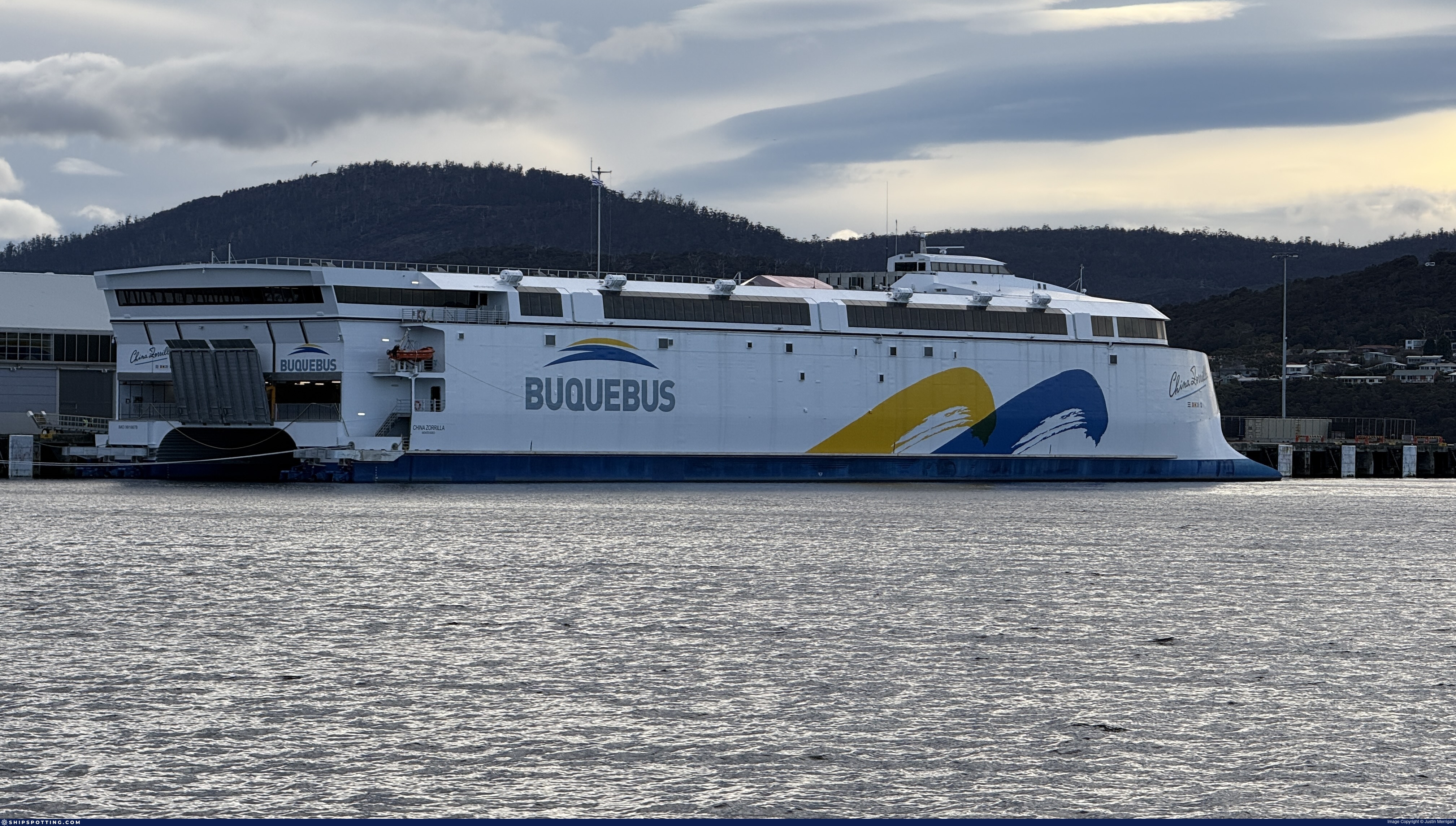
The electric ferry China Zorrilla, built in Hobart, Tasmania, has begun commercial crossings between Argentina and Uruguay, marking the start of regular operations on the Rio de la Plata route. The vessel was constructed by Tasmanian shipbuilder Incat, a company known internationally for its high-speed aluminium catamarans and recent push into electric and low-emission ferry technology. The China Zorrilla is designed to carry passengers and vehicles across the river that separates Buenos Aires from Uruguayan ports, replacing a journey traditionally served by diesel-powered vessels. Its entry into service represents one of the first large-scale deployments of battery-electric ferry technology on an international route connecting two countries, rather than a domestic or harbour crossing. Incat has positioned the project as evidence that zero-emission propulsion can be scaled up for longer, higher-capacity ferry operations rather than being limited to short coastal hops. The shipyard has faced financial and operational pressures in recent years, and the delivery of a flagship electric vessel to an international operator is seen as a significant milestone for the company's transition toward electric shipbuilding. The start of crossings follows a period of testing and commissioning after the ferry's construction in Hobart. Further details on operator schedules, route frequency and capacity were not specified.