Industry executives forecast that demand for liquefied natural gas (LNG) as a marine fuel will at least double by 2030. This surge is attributed to an anticipated supply glut from large export projects in the U.S. and Qatar, which is expected to lower prices and increase LNG's competitiveness against traditional marine fuels. Additionally, stricter emissions regulations are encouraging more ship orders capable of running on LNG, as the sector seeks to decarbonise. While LNG infrastructure continues to expand, alternatives like methanol and ammonia face supply and infrastructure challenges, solidifying LNG's role in the industry's transition.
Industry
LNG
Global LNG Demand for Ships Projected to Double by 2030
 Qatar Energy
SHIPMANAGER
Alternative Fuels
Qatar Energy
SHIPMANAGER
Alternative Fuels
E
Ella Trusteddocks
Topics
Alternative Fuels
Connected to This Story
Free weekly digest
This week's ship orders & deliveries — every Friday
New contracts, launches and shipyard news in one email. No account needed, unsubscribe anytime.
More Shipbuilding News
View all →Newbuilding Contracts — Week 39/2026
142 newbuilding orders across 9 segments were recorded in the New-Ships orderbook in week 39/2026 (21 September–27…
Sep 28, 2026
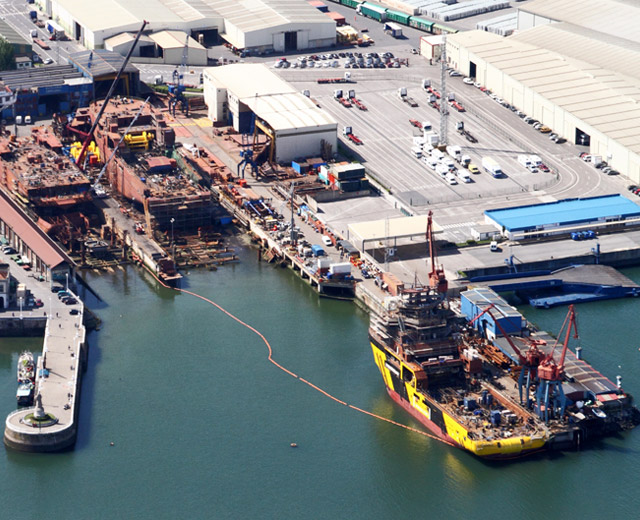
Brønnbåt Nord Orders Battery-Hybrid Wellboat from Zamakona
Norwegian aquaculture vessel operator Brønnbåt Nord has ordered an 86.8-metre battery-hybrid wellboat from Spain's…
Sep 28, 2026
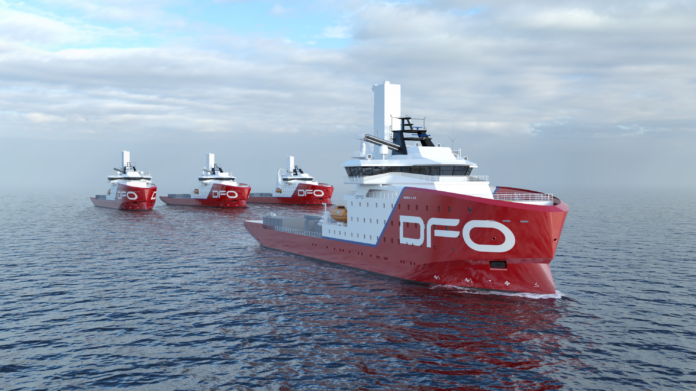
VARD Secures Fifth CSOV Order From Dong Fang Offshore
VARD has won a contract from Dong Fang Offshore (DFO) for the design and construction of a new Commissioning Service…
Sep 28, 2026
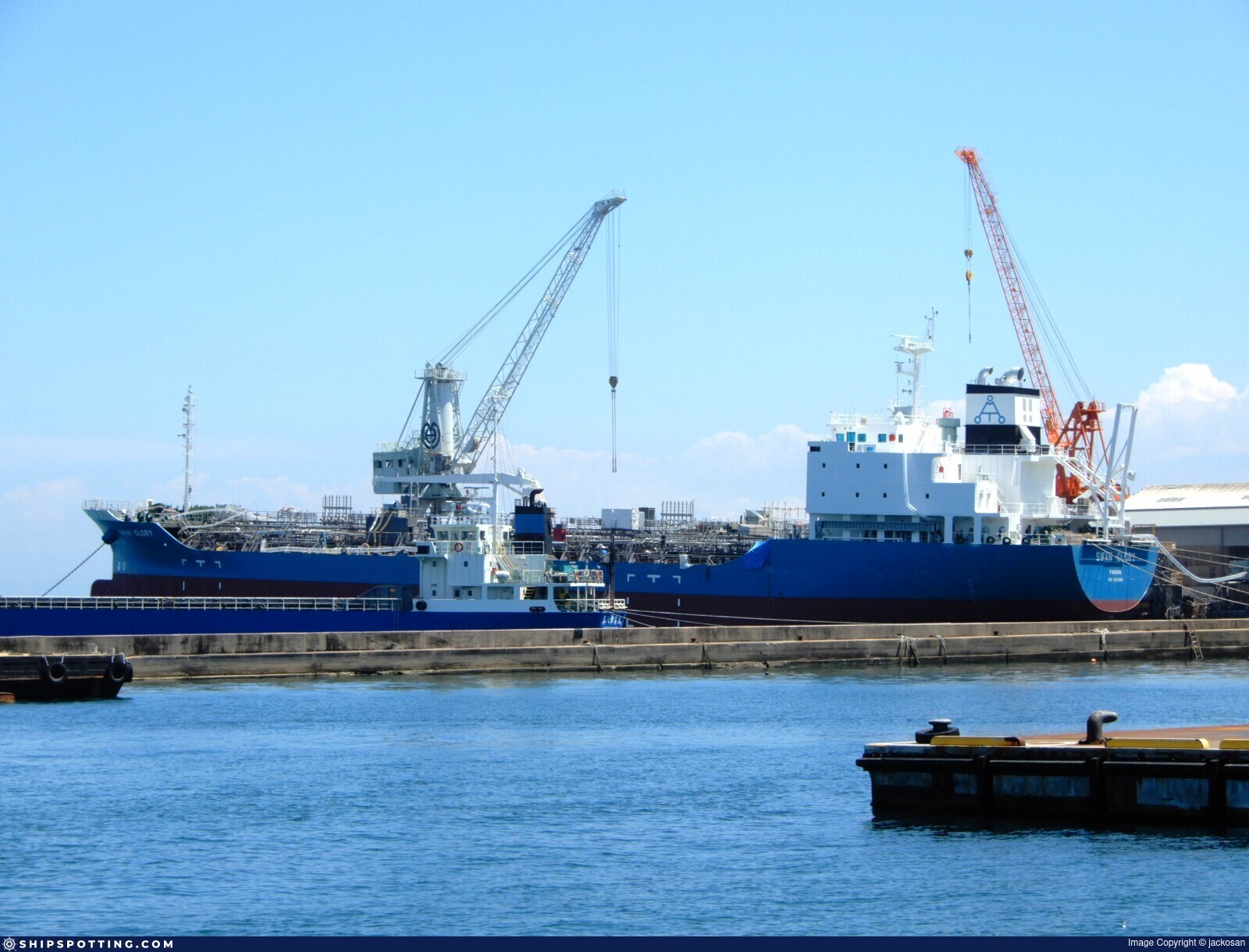
Uni-Tankers Orders Eight Newbuild Tankers for Time Charter
Danish chemical tanker operator Uni-Tankers has entered into an agreement for eight newbuild 7,600-dwt tankers to be…
Sep 28, 2026