 American Bureau of Shipping (ABS)

Scripps Institution of Oceanography at UC San Diego has commenced the selection process for a shipyard to design and assemble a unique Coastal Class Research Vessel (CCRV), which will be the first of its kind to primarily run on renewable fuels. The institution issued a request for proposals to choose a shipyard capable of executing the final construction of this groundbreaking vessel. The CCRV will feature a dual-powered hydrogen fuel cell/diesel electric hybrid system, able to complete most of its missions on liquid hydrogen alone, thereby achieving zero emissions. This vessel will also provide a quiet operation profile, enhancing its ability to collect contamination-free samples. According to Bruce Appelgate, Associate Director at Scripps Oceanography, the development of the CCRV represents a significant milestone, showcasing advanced power and control technologies. The project's design has been approved by relevant authorities, and the shipyard selection is set to be finalized by June 20, 2025. The vessel will support California-focused research missions addressing environmental challenges such as ocean acidification and sea-level rise. As a replacement for the aging Research Vessel Robert Gordon Sproul, the CCRV will join the U.S. Academic Research Fleet to further research and educational aims. The CCRV project, supported by the State of California and the U.S. Office of Naval Research, aims to revolutionize clean energy use in marine research. Initial feasibility studies were led by Sandia National Laboratories and Glosten, highlighting its role in promoting carbon neutrality in maritime operations.
Scripps Institution of Oceanography Begins Shipyard Selection for Hydrogen-Hybrid Coastal Research Vessel
Ella Trusteddocks
Topics
Connected to This Story
Free weekly digest
This week's ship orders & deliveries — every Friday
New contracts, launches and shipyard news in one email. No account needed, unsubscribe anytime.
More Shipbuilding News
View all →Newbuilding Contracts — Week 39/2026
142 newbuilding orders across 9 segments were recorded in the New-Ships orderbook in week 39/2026 (21 September–27…
Sep 28, 2026
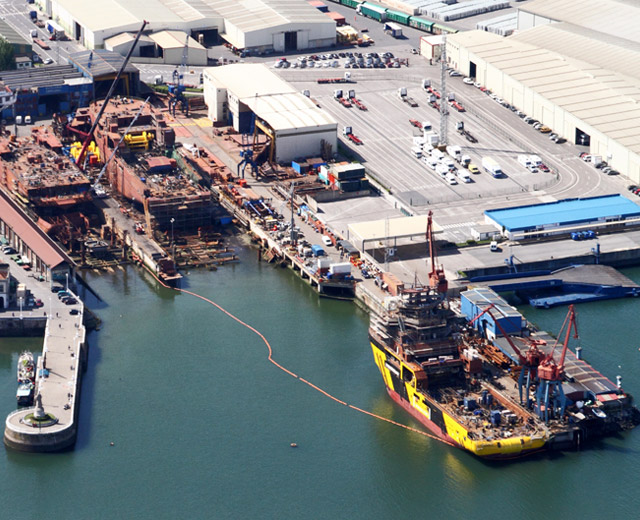
Brønnbåt Nord Orders Battery-Hybrid Wellboat from Zamakona
Norwegian aquaculture vessel operator Brønnbåt Nord has ordered an 86.8-metre battery-hybrid wellboat from Spain's…
Sep 28, 2026
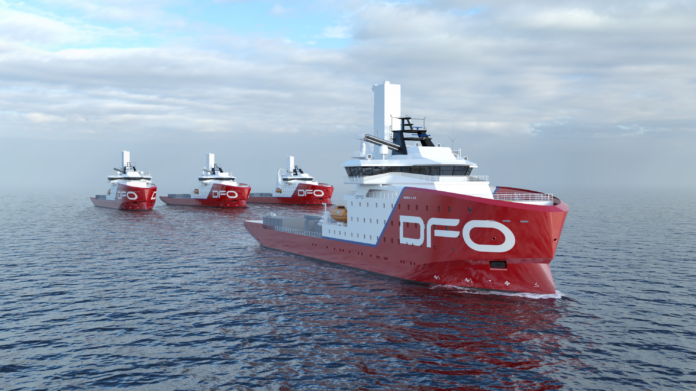
VARD Secures Fifth CSOV Order From Dong Fang Offshore
VARD has won a contract from Dong Fang Offshore (DFO) for the design and construction of a new Commissioning Service…
Sep 28, 2026
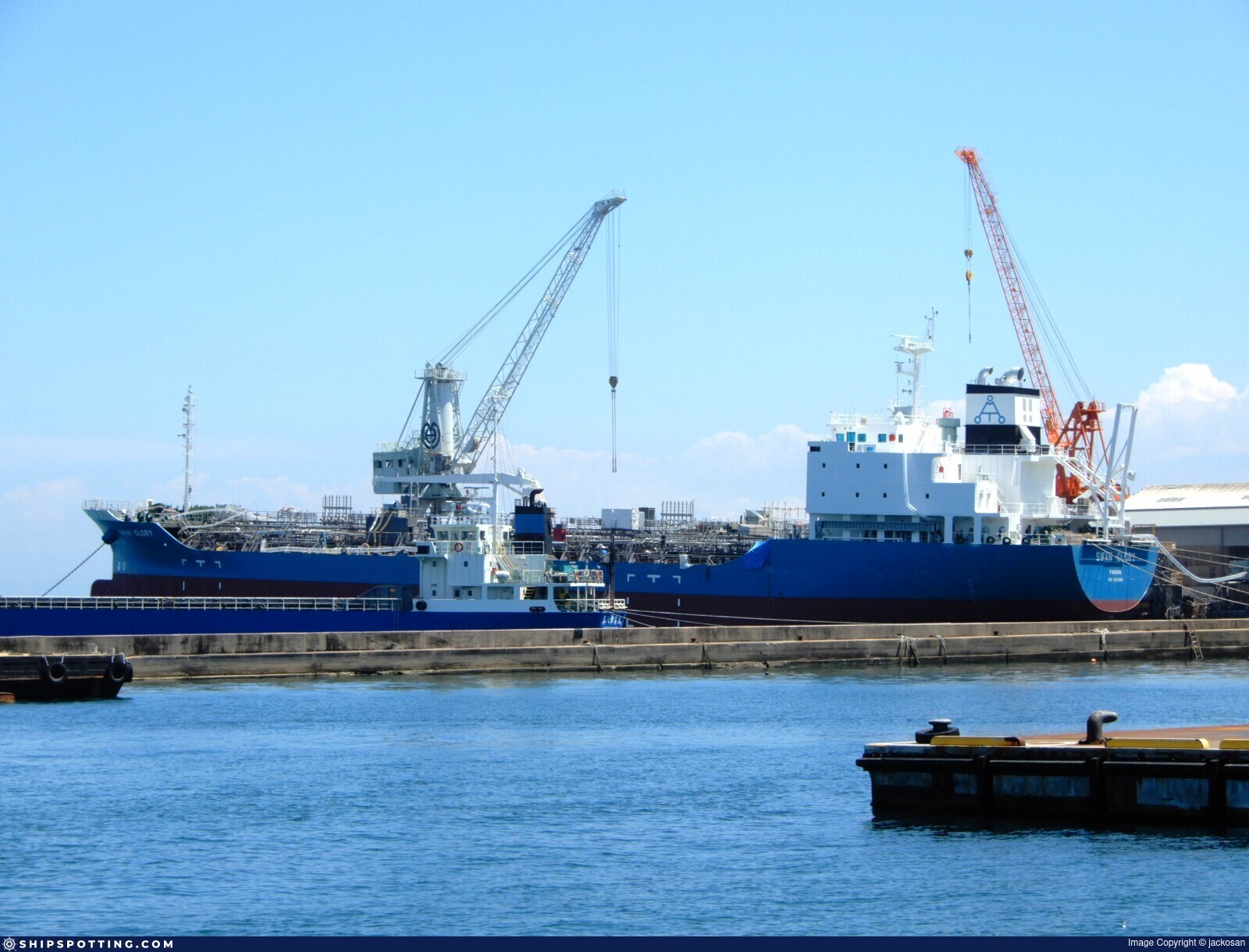
Uni-Tankers Orders Eight Newbuild Tankers for Time Charter
Danish chemical tanker operator Uni-Tankers has entered into an agreement for eight newbuild 7,600-dwt tankers to be…
Sep 28, 2026